Success Story · CityGlas Entreprenad · B2B Construction
From relationship-based
sales to a structured
growth system.
How a traditional contractor built a predictable commercial engine.
CityGlas had a strong reputation.
But growth depended almost entirely on relationships.
No system.
No predictability.
No structured access to decision-makers.
The business worked.
But it was not scalable.
Key findings
Built
Structured commercial system from zero
Structured
Opportunity identification flow
Reduced
Dependency on individual relationships
Increased
Commercial transparency and control
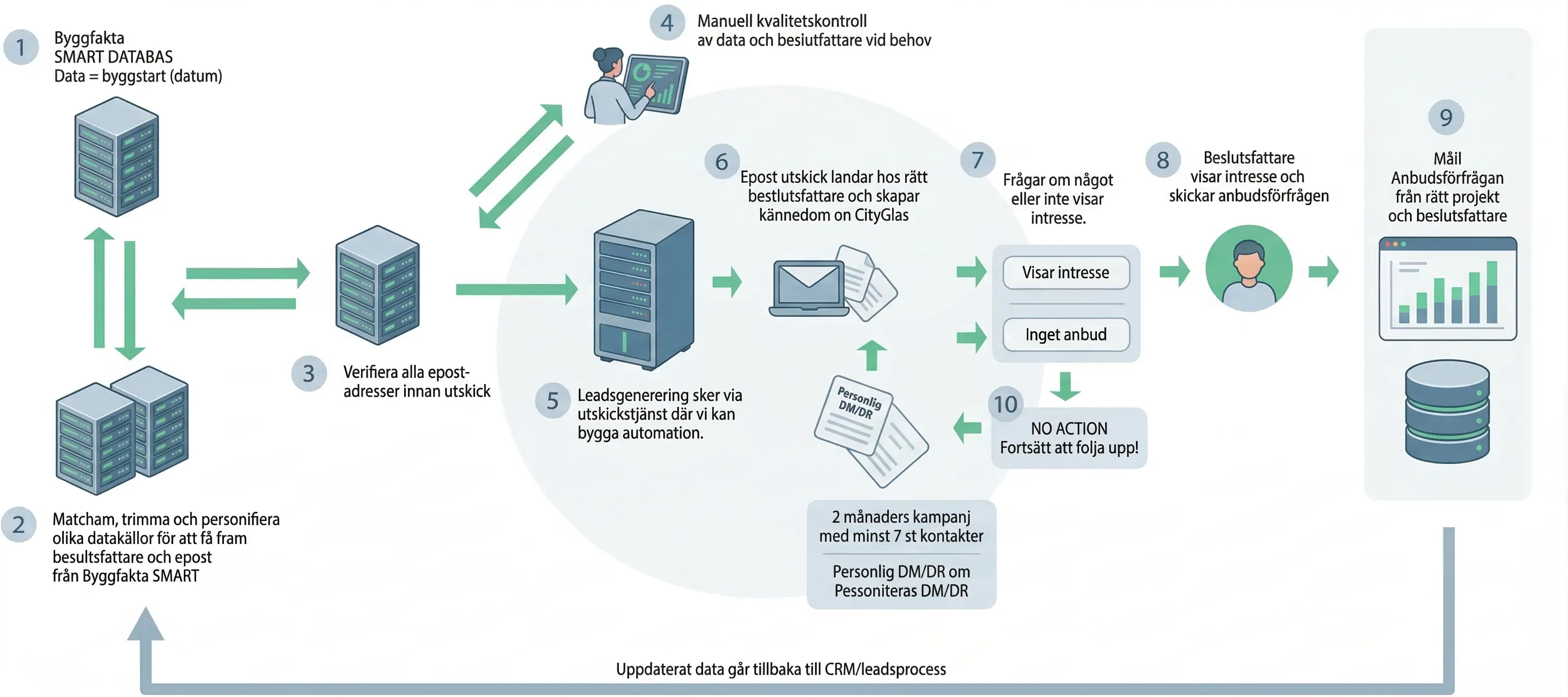
The structured leads process — from project data to qualified tender conversations.
01 — The challenge
Strong company. No commercial structure.
CityGlas was a well-established contractor with strong references and genuine capability.
But commercially, growth depended on:
- Personal networks
- Timing and chance
- Informal relationships
At the starting point:
- No digital visibility
- No structured business development
- No defined process for identifying opportunities
The issue was not demand.
The issue was lack of structure.
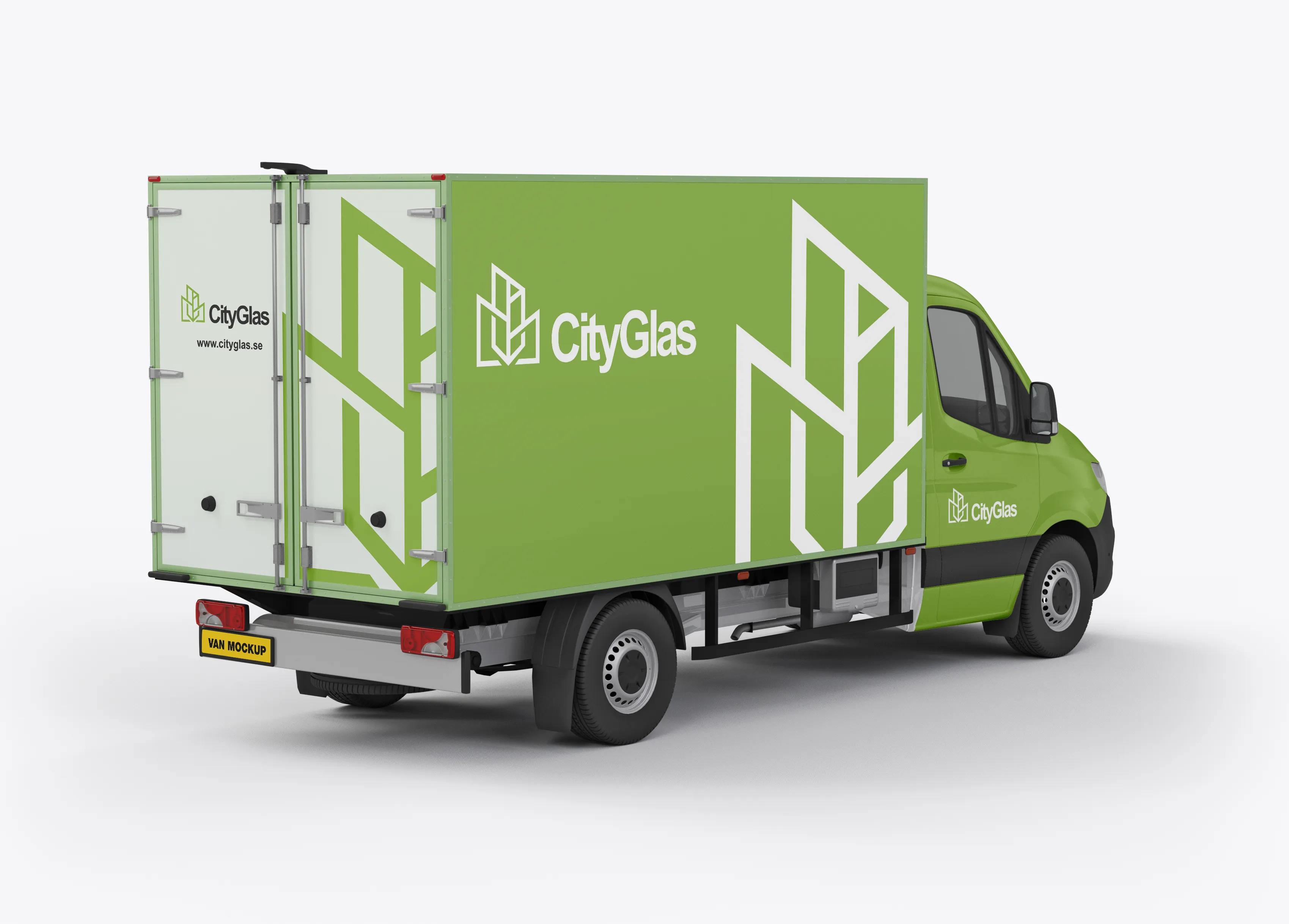
Brand identity in the field — CityGlas vehicle livery.
02 — The insight
The opportunity was not more demand. It was access.
The problem was not that opportunities did not exist.
The problem was that there was no structured way to reach them.
CityGlas needed a way to:
- Identify projects early
- Reach decision-makers at the right moment
- Build trust before tenders were issued
This required a system, not campaigns.
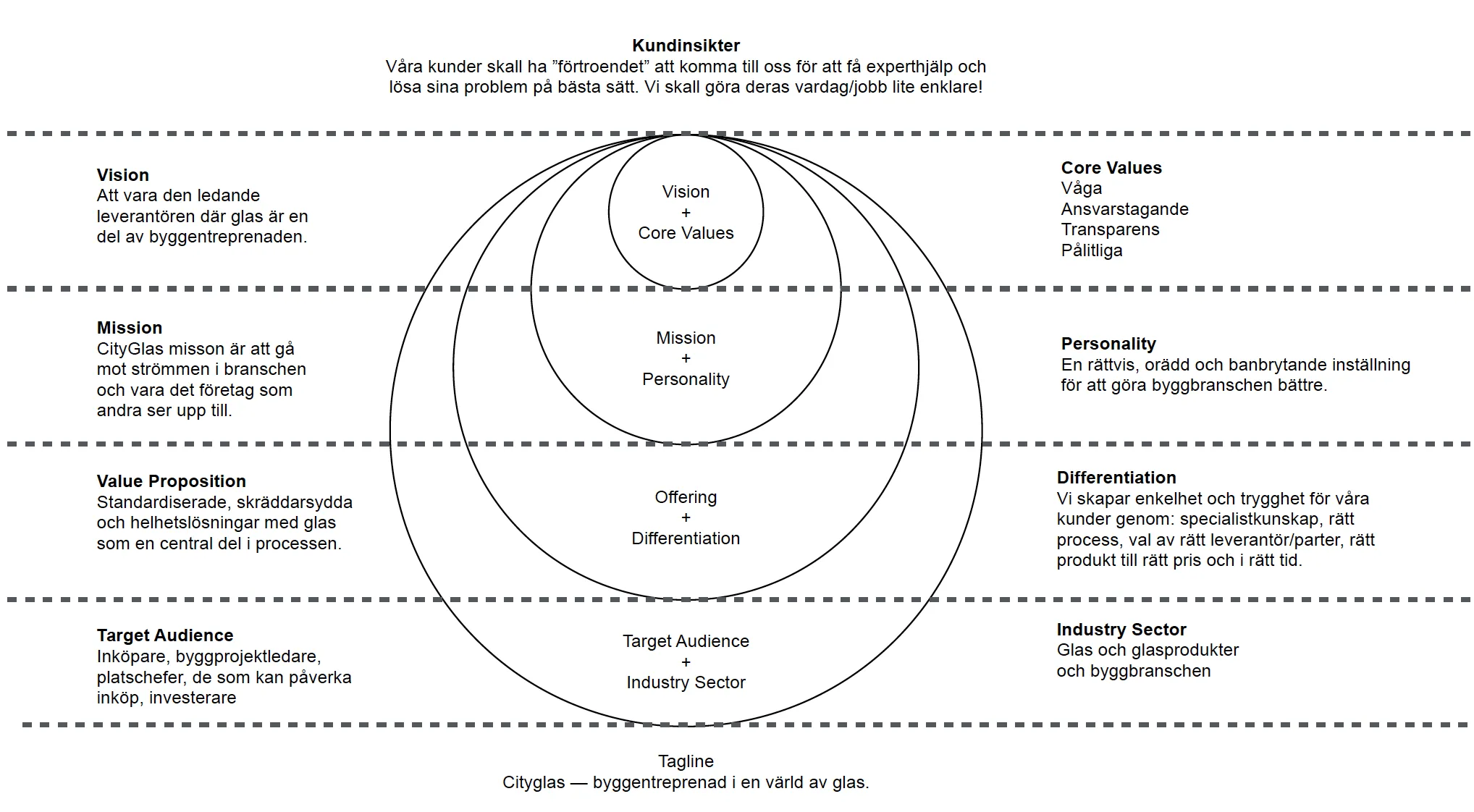
Brand positioning map — defining vision, values, target audience and differentiation.
03 — The system
This was not a marketing project
It was the design of a growth system.
The work followed a structured loop — each cycle improving the next.
Strategy
Define growth priorities and target project opportunities. Every loop starts from a precise business objective, not a channel plan.
Position
Move from local subcontractor to credible strategic supplier. Establish a clear commercial identity relative to procurement expectations.
Authority
Build trust through website, references, messaging and visibility. Credibility that exists before the first conversation begins.
Demand
Identify and engage the right decision-makers. Reach them when projects are at the right stage — before choices have already been made.
Conversion
Turn structured outreach into tender requests and business conversations. Each touchpoint designed to reduce friction, not add pressure.
Learning
Improve targeting, timing and messaging with each iteration. The system gets more precise — and more effective — over time.
This is what NewDGTL calls Infinite Loop Marketing™.
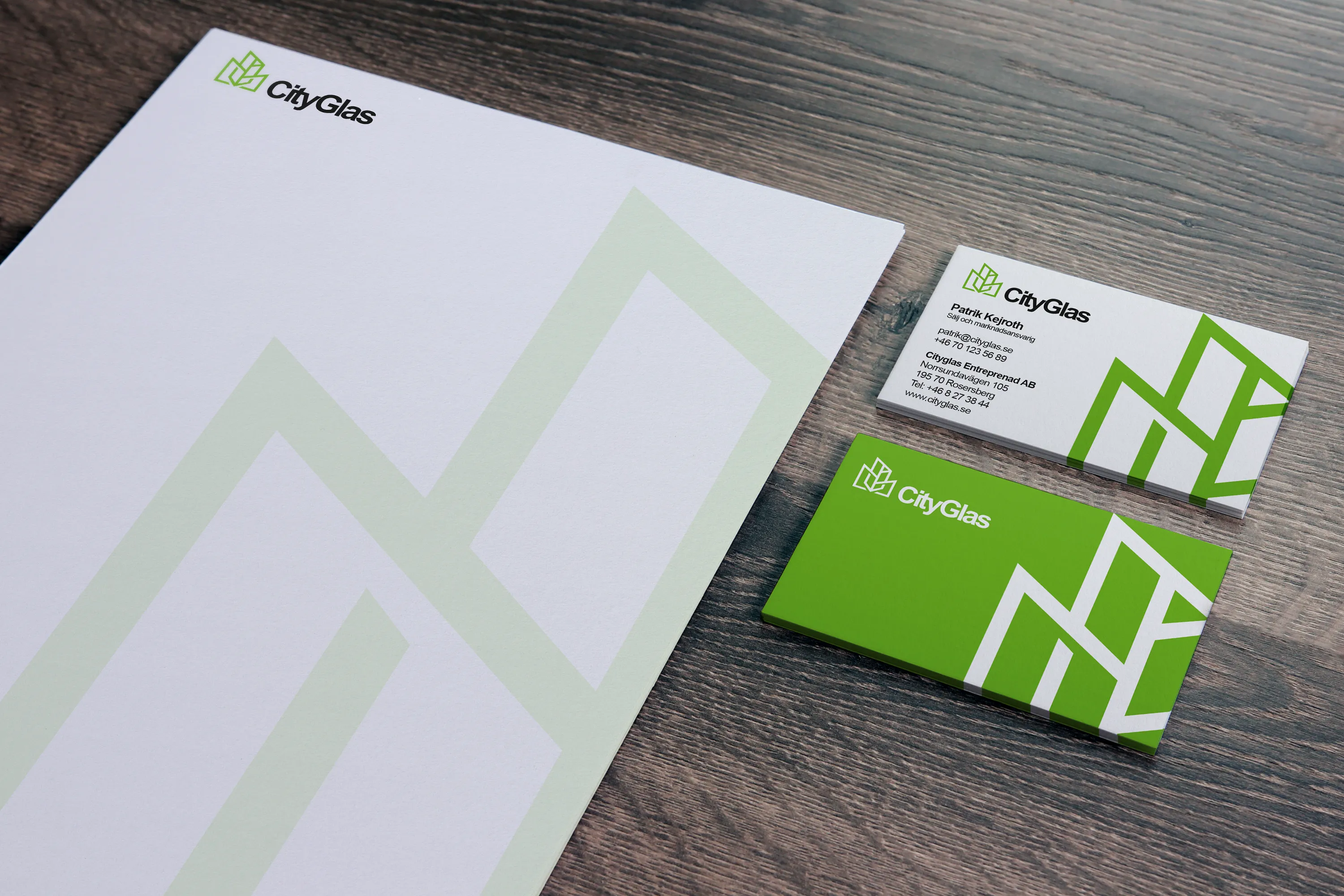
Brand identity — stationery, business cards and profile materials.
Brand signage — presence in the built environment.
04 — The execution
Build trust before the tender is sent
The core of the system was a structured, data-driven process.
Using structured project data:
- Opportunities were identified early
- Decision-makers were mapped
- Outreach was timed and relevant
This was reinforced by:
- A new trust-based website
- Clear positioning and messaging
- Structured visibility and SEO
- Consistent communication
No single activity created the result.
The system did.
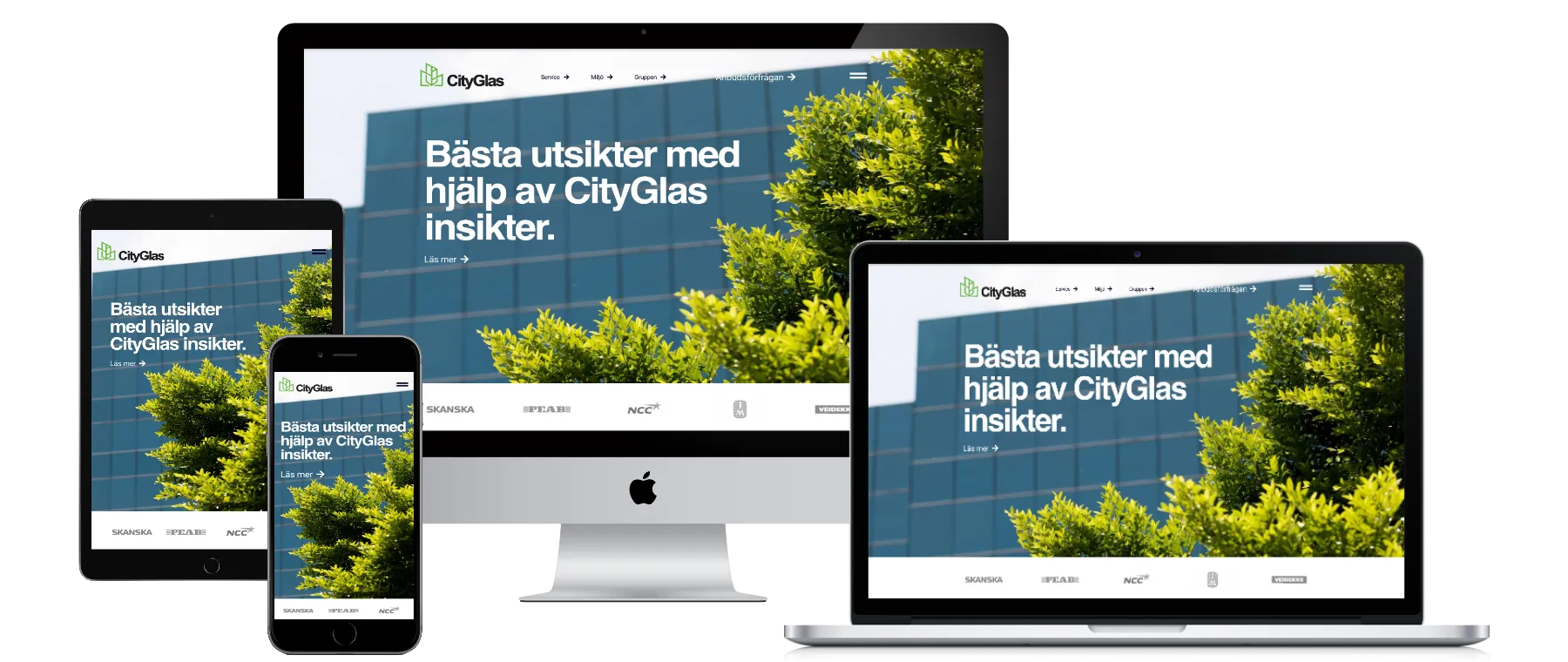
The new trust-based website — designed to reinforce credibility across all devices.
05 — The results
What the system produced
Structured
Opportunity flow
CityGlas gained a repeatable way to identify and engage relevant projects — before tenders were issued and before decisions had been made.
Improved
Commercial credibility
The company moved from low digital presence to a clear, trusted position — capable of supporting the sales process before the first meeting.
Stronger
Commercial control
Business development became more visible, more manageable, and less dependent on individual relationships or informal networks.
06 — The business impact
The most important outcome was structure.
The result was not a lead generation campaign.
It was a shift in how the business operated commercially.
CityGlas moved from relationship-based growth to a more transparent and predictable commercial model.
This made it possible to:
- Better understand future business
- Demonstrate control over commercial development
- Reduce dependency on individual relationships
Over time, this shift contributed to making the company more attractive in an ownership transition.
The business was no longer just operationally strong.
It became structurally clear.
07 — Questions
Questions about this work
What was the main challenge in this case?
Lack of structure.
CityGlas had strong references and real capability, but no systematic way to identify opportunities, reach the right people, or control the flow of new business. The problem was not demand. It was access and timing.
Was this a lead generation project?
No.
The objective was not to generate leads. The objective was to build a system. Lead generation was one outcome — but the broader work focused on creating a structured commercial model where positioning, trust, outreach and learning reinforced each other.
Why was timing so important?
In project-based B2B markets, timing often matters more than message.
The system worked because it reached decision-makers when projects were at the right stage — before choices had already been made.
What role did the website play?
The website functioned as a trust layer.
When outreach created interest, the site reinforced credibility through structure, references, positioning and proof. It had to work before the conversation, not instead of it.
How did the system improve over time?
Each cycle generated data that improved the next.
Targeting became more precise, outreach more relevant, timing more accurate. The system compounded. That is the design.
Can this approach work outside construction?
Yes.
The same structure applies to any B2B company where growth depends on trust, timing and access to the right decision-makers. The industry changes the execution, not the system.
What was the most important business outcome?
Structure.
The business moved from relationship-dependent growth to a more transparent and controllable commercial model. That shift improved how the company could be understood and evaluated — both internally and from an ownership perspective.
Next step
Want to build a system like this?
Most companies do not need more activity.
They need structure.
A limited number of new engagements are accepted each quarter.