Perception as a strategic weapon
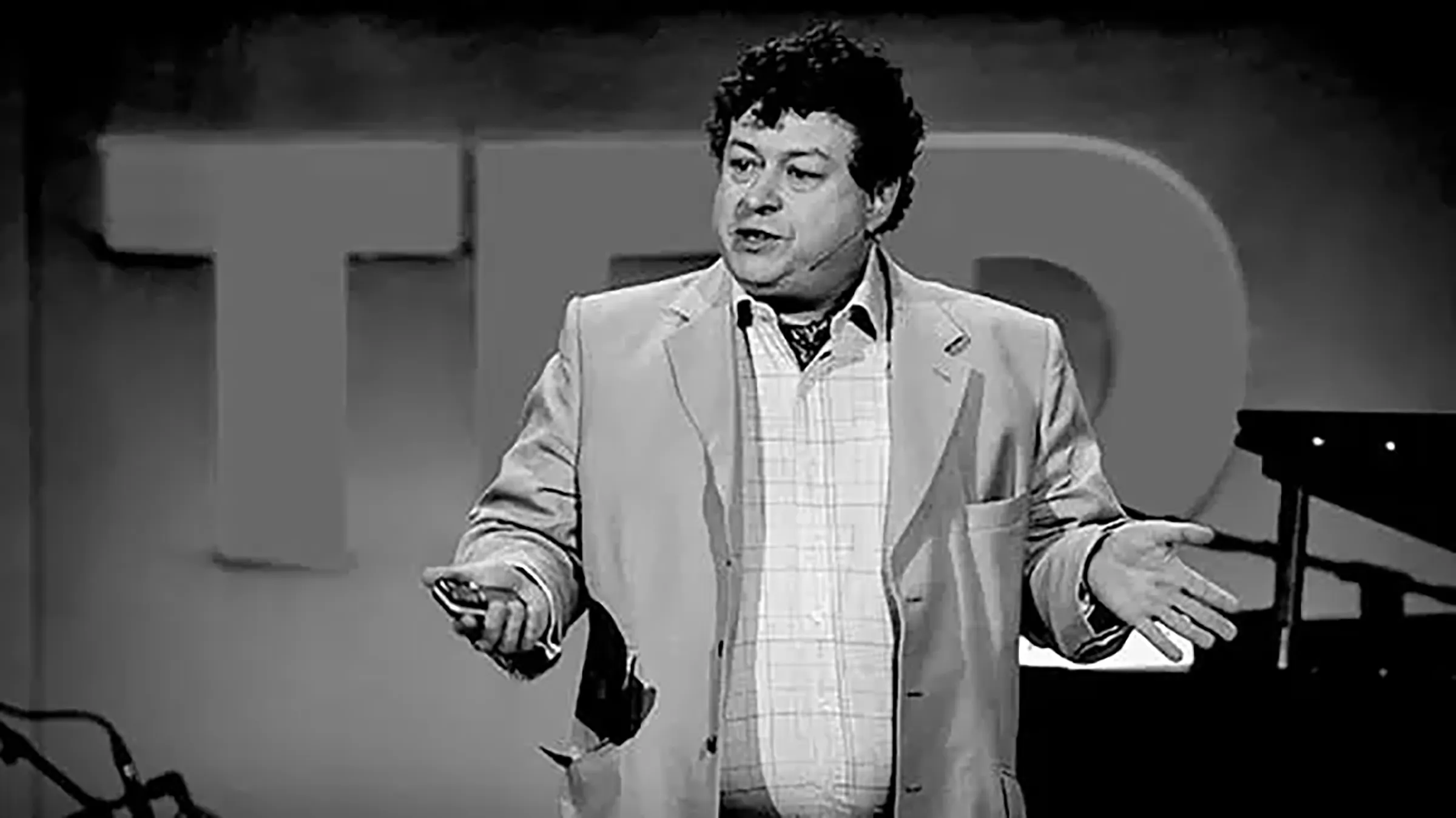
Rory Sutherland – Vice Chairman at Ogilvy and one of the sharpest thinkers in advertising – has built a career showing that the most effective solutions are often psychological, not technical.
His central thesis: you can change behaviour by changing perception, without changing reality. This is an insight with enormous implications for how B2B companies position themselves.
The future of value creation lies in perception and the intangible – not in material resources.
Historical lessons: Frederick the Great and the potato
Sutherland often refers to Frederick the Great of Prussia, who wanted his people to eat potatoes. Instead of ordering it – which would have created resistance – he planted potatoes in the royal garden and placed guards around them. The signal was clear: this is something valuable, exclusive.
People soon began stealing potatoes. The perception of value changed – not through coercion, but through contextual positioning. That is exactly the same principle that applies to B2B marketing today.
AI as a perception engine
With AI tools you can now operationalise perception principles at scale. Here are three concrete applications:
- Personalised framing: AI-driven tools that analyse customer segments and automatically adapt the message. The same product, but presented in the way that resonates best with each decision-maker.
- Predictive content: Algorithms that identify which topics and angles build authority in your niche – before competitors see the trend.
- Dynamic social proof: Automatically matched case studies and testimonials based on the visitor's industry, size and challenges.
Three steps to start today
- Audit your communication: Do you describe what your product does – or how it changes the customer's situation? Shift perspective from features to transformation.
- Test framing: Run A/B tests with different contextual frames for the same offer. Do not just measure clicks – measure conversion and pipeline quality.
- Build perception loops: Use data to understand which perceptions drive conversion, and reinforce them systematically across every touchpoint.
Perception in an AI-driven world
As AI-generated content becomes the norm, authenticity and differentiated positioning will become increasingly important. It is no longer about producing the most – it is about being perceived correctly.
The companies that combine AI efficiency with perception-driven strategy will dominate their niches. Not because they have the best product – but because they are perceived as the best choice.
Frequently asked questions
What is perception-based marketing?
Perception-based marketing focuses on changing how a product or service is perceived rather than changing the product itself. It is about contextual positioning, framing and creating the right mental associations.
How can AI amplify perception-based marketing?
AI enables personalisation at scale – the right message to the right person at the right time. AI tools can analyse customer behaviour, identify which framings work best per segment, and automate perception-optimised communication.