Why perceived value trumps actual value
Most B2B companies invest enormous resources in improving their product. Better features, more integrations, faster delivery. But behavioural science raises an uncomfortable question: does it really matter if no one perceives the difference?
Daniel Kahneman, the Nobel laureate behind prospect theory, showed that people do not make decisions based on absolute values – but on relative changes and reference points. This means that how you frame your offer often has more impact than the offer itself.
Kahneman's two systems and B2B decisions
Kahneman describes two thinking systems: System 1 (fast, intuitive) and System 2 (slow, analytical). A common misconception in B2B is that all purchase decisions happen in System 2 – with spreadsheets, ROI analyses and rational comparisons.
Reality is different. Decision-makers filter out suppliers in System 1 – based on gut feeling, visual impression and mental availability – long before they open a spreadsheet. The supplier that "feels right" makes the shortlist. The rest do not.
Perception is reality. It does not matter what your product actually does if no one perceives its value.
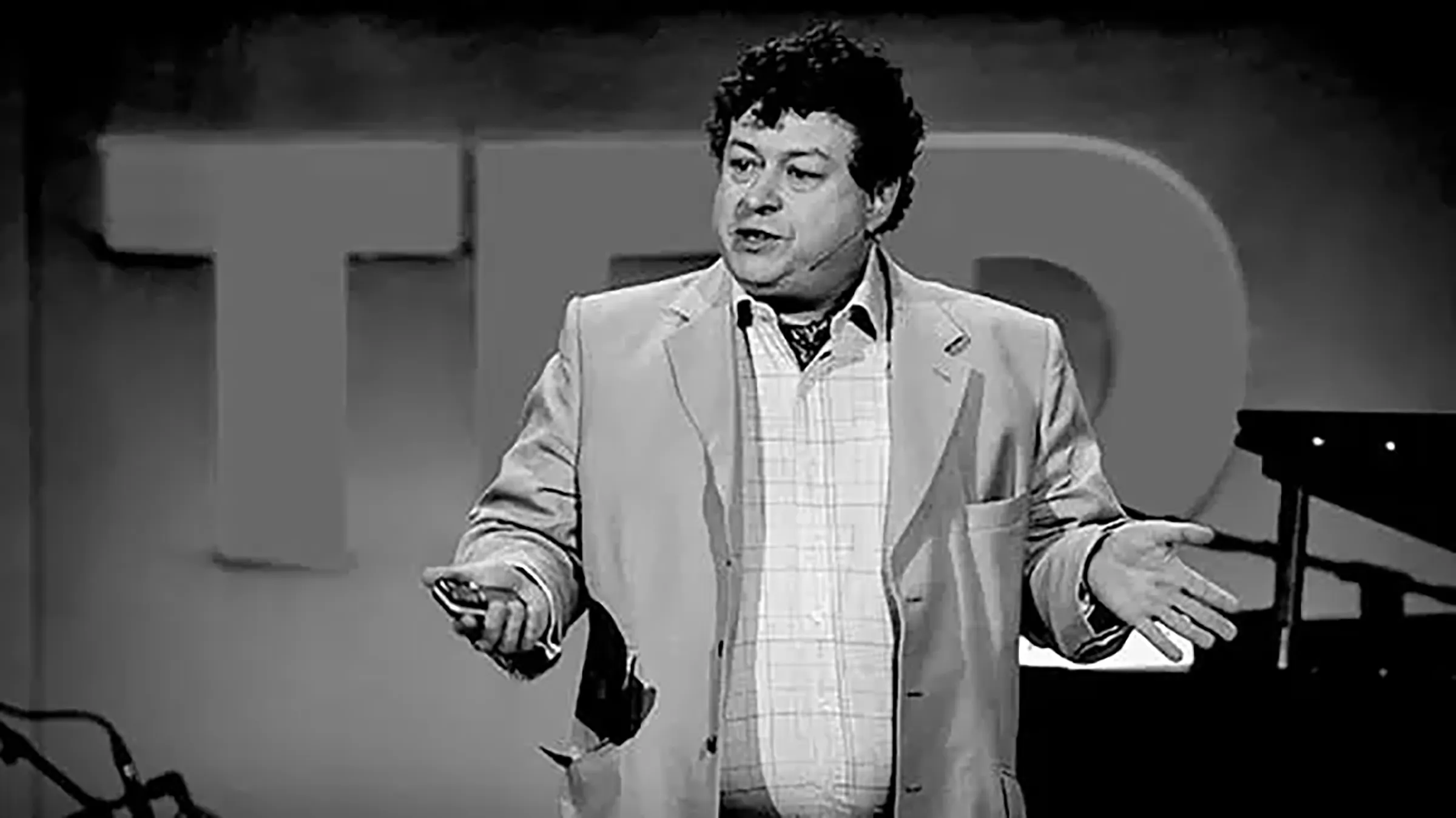
Rory Sutherland's perspective: the intangible value
Advertising legend Rory Sutherland has long argued that the biggest value increases are often psychological rather than material. His classic example: making the waiting time on a train more pleasant costs a fraction of making the train faster – but can have the same effect on customer satisfaction.
Translated to B2B marketing: a well-designed onboarding experience, clear communication during the sales process, or social proof from the right industry can raise the perceived value more than a new product feature.
Three principles you can apply today
- Framing: The same offer is perceived differently depending on context. "Save 40,000 SEK/year" beats "Costs 8,000 SEK/month" – despite describing the same thing.
- Anchoring: The first price a buyer sees sets the reference point. Show your premium option first.
- Loss aversion: People react more strongly to losing something than to gaining the equivalent. Show what they lose by not acting.
What this means for your marketing
If you invest 80% of your budget in product improvements and 20% in how you communicate value – the proportion is likely wrong. Behavioural science shows that communicating value is just as important as creating value.
It is not about manipulation – it is about ensuring that your actual value is also perceived. And that starts with understanding how your target audience thinks, not just what they need.
Frequently asked questions
What is the difference between perceived and actual value?
Actual value is measured in objective terms such as cost or function. Perceived value is shaped by psychological factors – context, expectations and how the offer is presented. Behavioural science shows that perceived value often has greater impact on purchase decisions.
How can B2B companies use behavioural science in their marketing?
By focusing on how value is communicated rather than just what is delivered. Framing, social proof, anchoring and loss aversion are tools that apply directly to pricing, case studies and sales processes in B2B.
What are Kahneman's System 1 and System 2?
System 1 is fast, automatic and intuitive thinking. System 2 is slow, analytical and deliberate. Most purchase decisions – even in B2B – begin in System 1, which makes emotional positioning decisive.