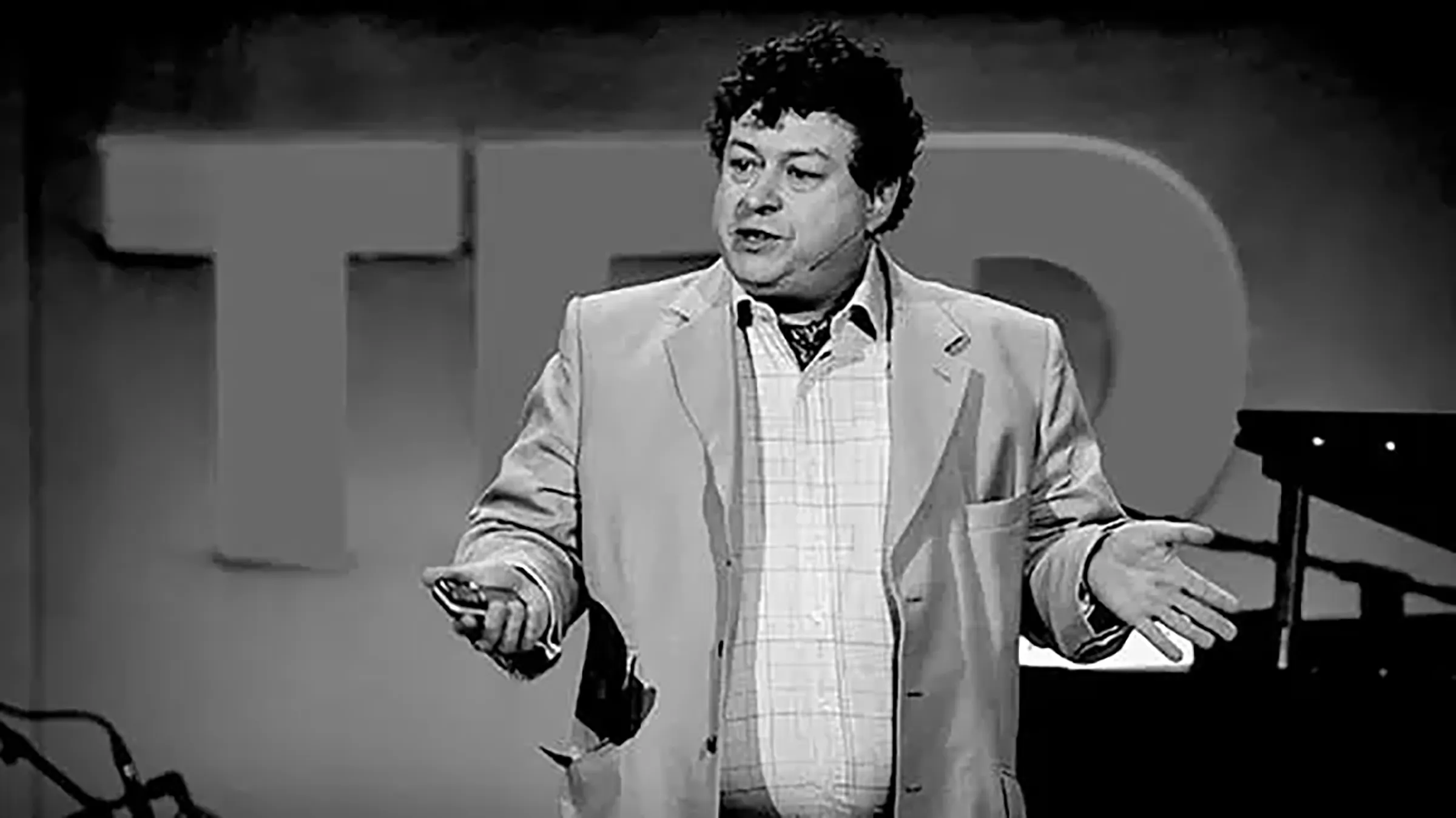
Nature as marketer
Ethan Decker – strategist and evolutionary thinker – makes a provocative claim: advertising is not a human invention. It is a natural process that has existed for millions of years.
The peacock's tail. The flower's colours. The frog's song. All of it is signalling – communication designed to influence the recipient's behaviour. Marketing is simply the human version of the same principle.
Advertising is not evil, it is nature. Every organism that survives does so in part by communicating its value to the world.
Signalling theory: costly proof
In evolutionary biology there is the concept of "costly signalling" – the idea that a signal must be expensive to produce in order to be credible. The peacock's tail is a handicap – it makes him slower and more visible to predators. But that is precisely why it is a credible signal: only a strong, healthy bird can afford such an extravagant tail.
The same logic applies to companies. A free whitepaper signals little. A deep, research-heavy report signals competence and resources. The more "costly" the signal is to produce, the more credible it is perceived to be.
What this means for B2B
The evolutionary perspective gives us three actionable principles:
- Invest in visible proof: Case studies with actual numbers, not vague testimonials. Public results that competitors can verify – which is precisely why they are credible.
- Make the invisible visible: Your process, your method, your thinking. Companies that share their "mental model" build trust faster than those that only talk about results.
- Repeat your signals: In nature, signals are seen and heard constantly. One blog post a year is not enough. Consistent, frequent signalling builds mental availability.
The visible shapes the invisible
Decker's central insight is about causality: by focusing on the visible (your communication, your brand, your signals) you influence the invisible (trust, preference, purchase intention).
This is an inversion of how most B2B companies think. They focus on the invisible (product quality, internal efficiency) and hope that the visible (marketing results) will follow. But evolution shows that it works the other way round.
Build your signal system
An effective marketing system is fundamentally a signal system. It continuously communicates your value to the right recipients, through the right channels, at the right frequency. And just like in nature – those who signal best, survive.
Frequently asked questions
What does evolution have to do with marketing?
Evolution shows that signalling – demonstrating your qualities through visible actions – is a fundamental survival mechanism. Advertising and marketing are built on the same principle: making the invisible visible to create trust.
How can companies use signalling theory in practice?
By investing in visible proof of quality: thought leadership content, public case studies, industry awards, and transparency around processes and results. Signals must be costly to fake in order to be credible.